Trusted knife & sharpening research
Japanese knives and sharpening, explained with the numbers.
Gyuto, santoku, Western chef’s knives and the whetstones to keep them keen — compared on steel grade, HRC hardness and geometry, not marketing. Every pick shows its criteria, a live price, and an honest note on when to skip it.
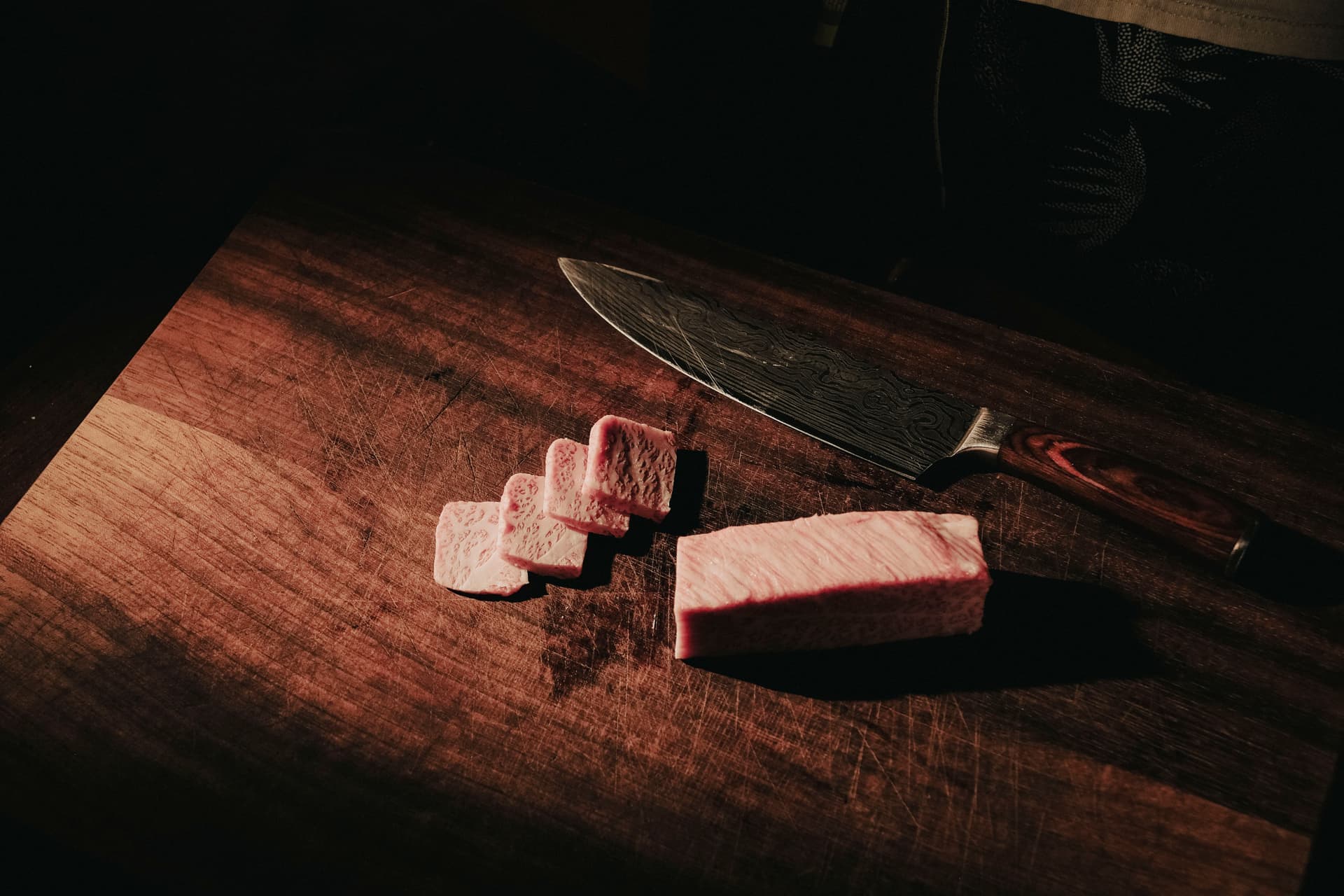
- 80
- knives & stones with live, dated prices
- October 20, 2026
- prices last verified
- 48h
- then a price expires rather than go stale
- 0
- knives we claim to have tested
This month’s top picks
The single best knife or stone in each category, with a live price you can act on. Tap through for the full comparison and why it won.
Best Japanese chef knife
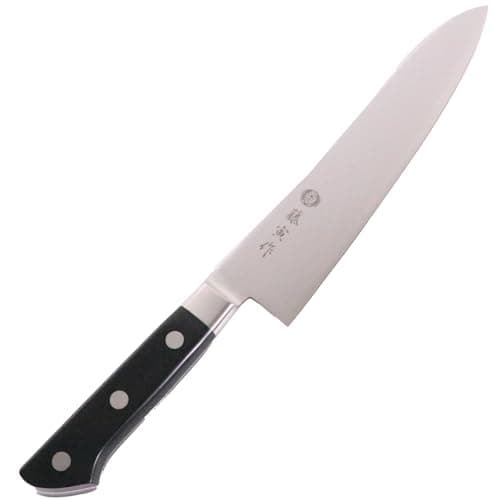
Tojiro DP Gyuto 210 mm
Your first proper Japanese gyuto
$94.11 · View on AmazonSee the full comparisonPrice as of October 20, 2026. #ad How we’re funded
Best chef knife overall
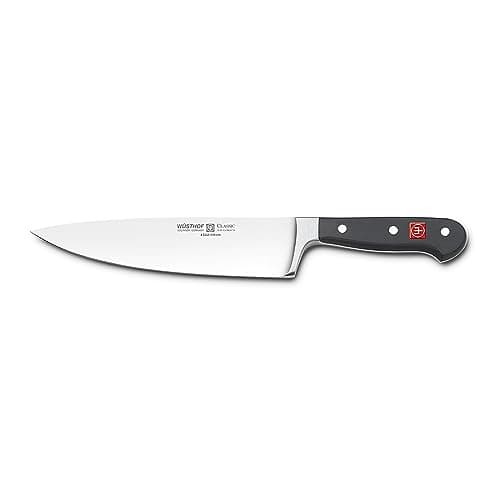
Wüsthof Classic 8-inch Chef's Knife
A heavier Western knife you'll keep for life
$170.00 · View on AmazonSee the full comparisonPrice as of October 20, 2026. #ad How we’re funded
Best knife set
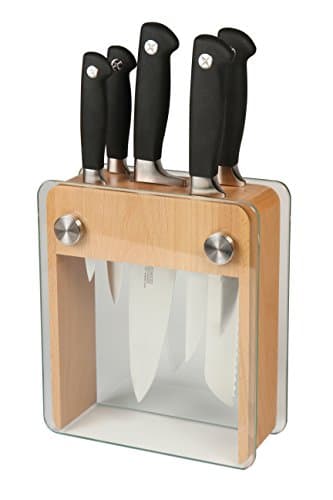
Mercer Culinary Genesis 6-Piece Forged Block Set
The best-value forged knife set
$199.99 · View on AmazonSee the full comparisonPrice as of October 20, 2026. #ad How we’re funded
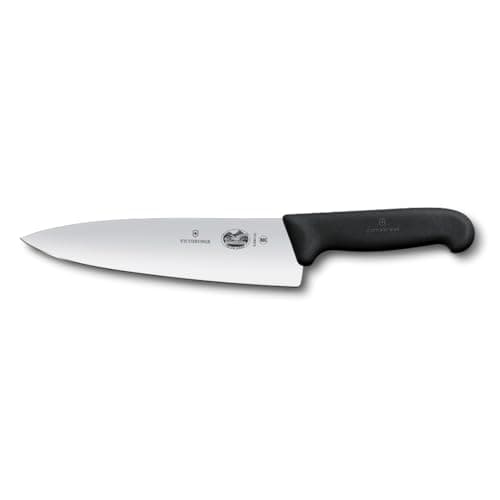
Best for beginners
Victorinox Fibrox Pro 8-inch Chef's Knife
The best all-round chef knife for most people
$45.23 · View on AmazonSee the full comparisonPrice as of October 20, 2026. #ad How we’re funded
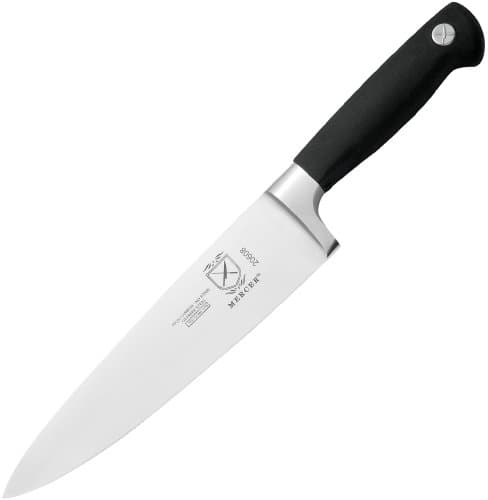
Best under $100
Mercer Culinary Genesis 8-inch Chef's Knife
The best forged knife under $50
$40.89 · View on AmazonSee the full comparisonPrice as of October 20, 2026. #ad How we’re funded
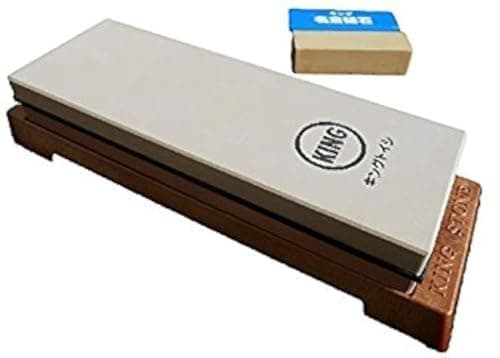
Best whetstone
King (Matsunaga) KW-65 1000/6000 Combination Whetstone
The best first whetstone for most people
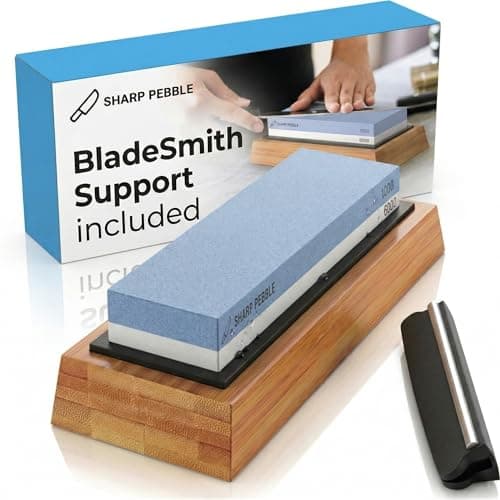
See the full comparisonBest beginner whetstone
Sharp Pebble Premium 1000/6000 Whetstone Kit
The best complete beginner kit
See the full comparisonBest santoku
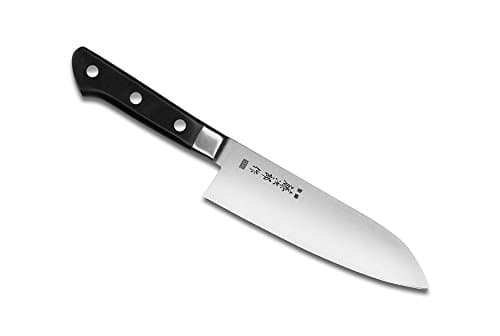
Tojiro DP Santoku 170 mm
The best-value Japanese santoku
$122.00 · View on AmazonSee the full comparisonPrice as of October 20, 2026. #ad How we’re funded
Best honing steel
Wüsthof 9-inch Honing Steel
Everyday edge maintenance on Western knives
$35.00 · View on AmazonSee the full comparisonPrice as of October 20, 2026. #ad How we’re funded
Best sharpening system
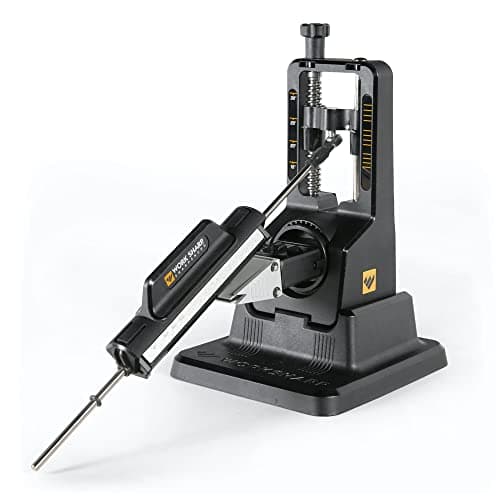
Work Sharp Precision Adjust Knife Sharpener
Repeatable results without learning stone technique
$69.95 · View on AmazonSee the full comparisonPrice as of October 20, 2026. #ad How we’re funded
Best knife gift
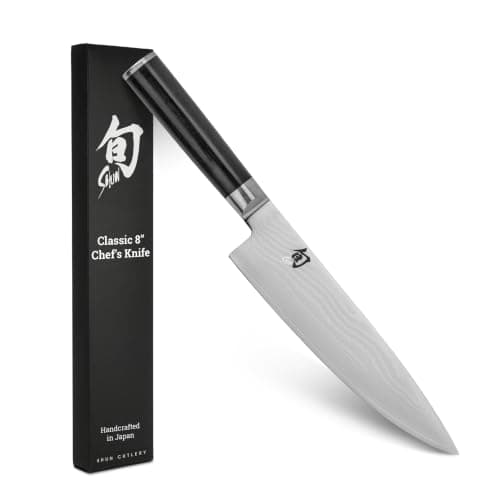
Shun Classic 8-inch Chef's Knife
A premium daily driver that looks the part
$140.15 · View on AmazonSee the full comparisonPrice as of October 20, 2026. #ad How we’re funded
Best nakiri
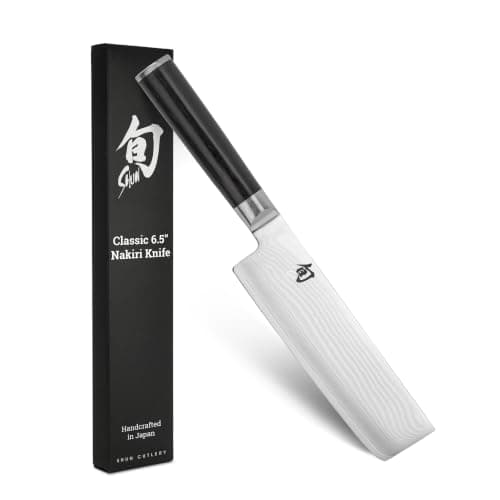
Shun Classic 6.5-inch Nakiri (DM0728)
A premium nakiri for daily vegetable prep
$179.35 · View on AmazonSee the full comparisonPrice as of October 20, 2026. #ad How we’re funded
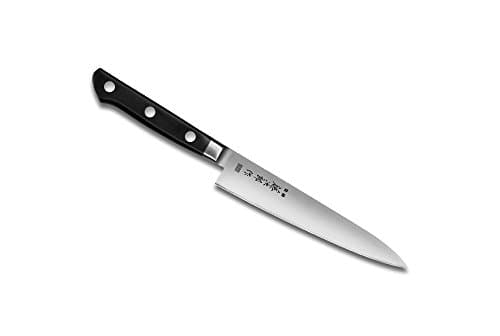
Best petty knife
Tojiro DP Petty 150 mm (F-802)
A hard-steel second knife for shallots, garlic and citrus
$89.00 · View on AmazonSee the full comparisonPrice as of October 20, 2026. #ad How we’re funded
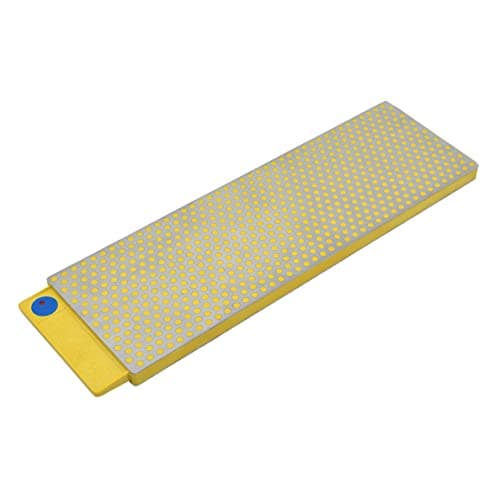
Best diamond stone
DMT DuoSharp 8-inch Bench Stone, Fine/Coarse (W8FCNB)
One plate that covers repair and sharpening, forever
$107.99 · View on AmazonSee the full comparisonPrice as of October 20, 2026. #ad How we’re funded
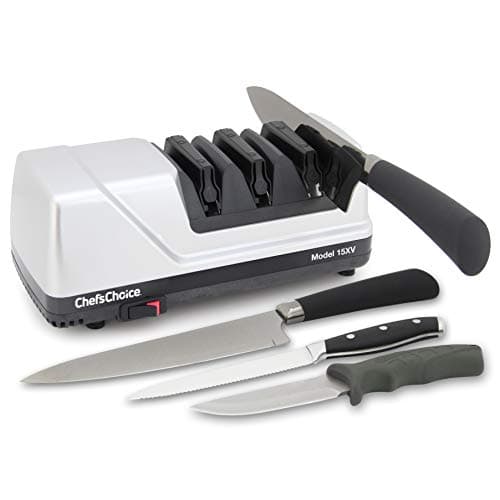
Best electric sharpener
Chef'sChoice 15XV EdgeSelect Electric Sharpener
Speed and consistency when you will not use a stone
$165.99 · View on AmazonSee the full comparisonPrice as of October 20, 2026. #ad How we’re funded
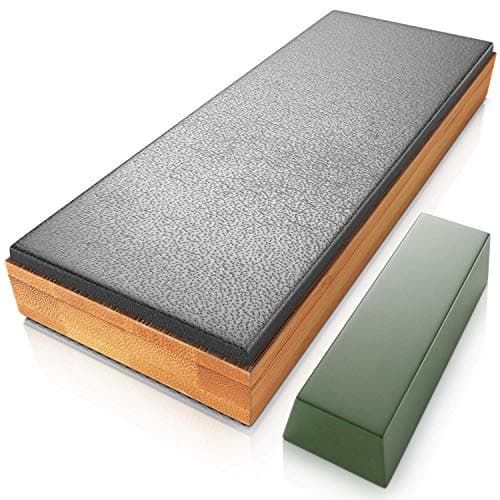
Best strop
Sharp Pebble Leather Strop for Knife Sharpening
Finishing a freshly sharpened kitchen knife
See the full comparison

Start here
Five ways in, depending on whether you want to buy a knife, learn to sharpen, settle a comparison, understand the steel, or find a gift.
Chef Knives
Gyutos, Western chef's knives, santokus and sets — compared on the numbers that actually decide a cut: steel grade, HRC hardness, blade length and geometry.
Whetstones & Sharpening
Whetstones, grit progressions and technique — the reproducible way to put a scary-sharp edge on any knife, plus the stones worth buying.
Knife Comparisons
Head-to-heads for the decisions people actually get stuck on — chef's knife versus santoku, gyuto versus a Western chef's knife.
Guides & Learn
The reference layer every roundup cites: how to buy a Japanese knife, and the steel-and-hardness guide behind our whole method.
Knife Gifts & Holiday Deals
Gift guides by budget and by recipient, built from the knives and stones we already cover — plus the Black Friday and Cyber Monday page we update when the deals go live.

Why trust a site that hasn’t tested twenty knives?
Because we don’t pretend otherwise. Everyone in this category says they tested twenty knives in a lab; most can’t prove it. We haven’t, and we say so. Here is what we do instead — and it’s checkable.
We compile the numbers they hide
Every pick carries steel grade, HRC hardness, blade length in mm and geometry, read from the maker's own spec sheet and dated. No competitor publishes a complete, cited table.
Prices are live and dated
Numbers come from a daily Amazon check and carry the date they were pulled. If the check stops, the price disappears rather than going stale.
“Not published” is a finding
When a no-name brand won't state the hardness of its steel, we print “Not published” rather than guessing. What a maker hides is information too.
We say when to skip
A harder, pricier knife isn't automatically the buy. Where a cheaper or more forgiving option wins for the cook, that's our pick — commission doesn't decide it.
No fake reviews, ever
There are no invented testimonials, star ratings or 'in our testing' claims anywhere on this site. If we can't source it, it isn't here.
One honest author
Written by a knife enthusiast, genuinely into this — not a bladesmith or a chef, and with no test lab. What he brings is the habit of doing the math and showing it.
Read these first
Chef knife vs santoku
Blade length, profile and rock-cut versus push-cut — which shape actually suits how you cook, with a decision table.
Read the guideHow to sharpen a knife
The full whetstone workflow — soak, angle, grit progression, deburr, strop — as a numbered, repeatable process.
Read the guideKnife steel & hardness guide
VG10, AUS-10, X50CrMoV15 and HRC explained — the reference our whole spec method is built on.
Read the guide
Latest guides & reviews
The most recently published and updated pages on Gyuto Club.
- Best Wüsthof KnivesChef Knives
One steel, one published 58 Rockwell and one 14-degree grind across the forged Classic line — so the only real question is which shape. Six pieces compared.
- Best Knives for Culinary SchoolChef Knives
Grip when wet, re-sharpening speed and replacement cost — not hardness. Five picks, plus the warranty clause that voids itself the day you take the knife to class.
- How to Use a Nakiri KnifeChef Knives
Push cut, never rock: the flat edge is the whole point. The grip, the motion, the four jobs it beats a chef's knife at, and the ones it cannot do at all.
- Tojiro Classic Damascus 2-Piece Set ReviewChef Knives
An 8.25-inch chef's knife and a 4-inch paring knife on a VG-10 core under 37 forged layers — reviewed while Tojiro's own site publishes nothing at all.
- Why Knives Get Dull So FastSharpening
Nine times out of ten the steel is innocent: the edge is rolled, the burr was never removed, or the board is doing the damage. Six causes, each with the fix.
An abrasive, one constant angle, and the burr stripped off. Which no-stone options deliver all three — and which kitchen tricks just round the bevel over.
- How Long Does a Whetstone Last?Sharpening
Measured in millimetres of abrasive, not years — and it is the flattening that eats it, not your knives. Published thicknesses, the four ways a stone dies, five habits that double it.
- Bunka vs SantokuCompare
The same size class, the same steels, one difference: whether the front of the blade comes to a point you can use. What that costs in chip risk and in price.
- Mercer vs WüsthofCompare
Both forged, full tang, bolstered. Wüsthof publishes 58 Rockwell and a 14-degree edge; Mercer's own listings publish no hardness and no steel grade at all.
Three measurements hide behind one word, the decisive one is on no spec sheet we have read, and the fix is to buy a construction rather than a number.
Gift guides & Black Friday
Buying for someone else? Guides by budget and by recipient, built from the same knives and stones we already cover — and the deals page we update when Black Friday goes live.
Best Knife & Sharpening Gifts Under $50
Seven gifts that are the real thing at this price — a Japanese whetstone, a forged knife, a honing rod — with a live price on each so you know it still clears the line.
Best Knife Gifts Under $150
The tier where a gift becomes the knife someone uses for a decade. Seven picks, most of them Japanese VG10 at ~60 HRC, explained for someone who has never bought one.
Best Luxury Knife Gifts
When budget is not the constraint: Damascus showpieces, a two-knife set that beats any block, and the one electric sharpener worth giving — with what to check before you buy.
Gifts for Serious Home Cooks Who Already Own a Good Knife
Do not buy them another chef's knife. The stone, plate, strop and specialist blades a keen cook wants and rarely buys for themselves.
Knife Gifts for a First Kitchen
College, first apartment, newlyweds: the forgiving, cheap-to-maintain knives and the one stone that turn a gift into a skill.
Black Friday & Cyber Monday Chef Knife & Sharpening Deals 2026
What actually discounted in November 2025 and what did not, which knives to buy now versus wait for, and our current top picks with live prices. Deals are posted here when they go live.
How this site is funded
Gyuto Club is free to read because some of the links to knives and stones are affiliate links: if you buy through one, we may earn a small commission at no extra cost to you. As an Amazon Associate we earn from qualifying purchases. It never changes which knife we recommend — the reasoning is the same whether a link earns us anything or not.