Chef Knives
Gyutos, Western chef's knives, santokus and sets — compared on the numbers that actually decide a cut: steel grade, HRC hardness, blade length and geometry.
A chef’s knife does about 80% of the work in any kitchen, so it is the one tool worth choosing on the numbers rather than the marketing. The trouble is that almost nobody publishes the numbers. Reviews tell you a knife is “razor sharp” and “premium” without ever stating the steel it’s made from, how hard that steel is, or the angle it’s ground to — the three things that actually decide how a knife cuts, how long it stays keen, and how easy it is to sharpen when it doesn’t. This hub exists to put those numbers back on the table.
Start with the split that matters most: Japanese versus Western. A Japanese gyuto is thinner, ground to a more acute edge (often 15° or less per side), and made from harder steel — typically 58 to 62 on the Rockwell C hardness scale (HRC). That hardness is what lets it take and hold a keener edge, at the cost of being more brittle: twist a hard, thin edge through a chicken bone and it can chip. A Western knife like a Wüsthof or a Victorinox uses softer steel (around 55 to 58 HRC) ground to a wider angle (around 20°). It won’t get as scary-sharp and it dulls sooner, but it’s tougher, more forgiving of clumsy technique, and you can bring it back to sharp in seconds. Neither is “better.” The right one depends on how you cut and how much upkeep you’ll actually do.
The second thing that decides a cut is blade profile. A curved “belly” suits a rocking chop, where the tip stays on the board and the blade rocks through herbs and garlic. A flatter profile suits push-cutting and straight up-and-down chopping. Western chef’s knives tend to have more belly; gyutos are flatter; a santoku is flatter still. None of that is visible in a price tag, which is why our knife types explainer and our chef knife vs santoku comparison lead with geometry rather than brand. If the vocabulary on those pages is unfamiliar — belly, heel, choil, tang, bolster — start with knife anatomy, and if you are stuck on 6, 8 or 10 inches, our size guide settles it in one table.
Below you’ll find our roundups — the best Japanese chef knives, the best all-round chef knives, the best under $100, picks for beginners, and knife sets, the upgrade tier under $200, the best santokus and knives worth giving, the budget tier under $50, the best nakiris and the best petty knives — each ranked by a published method and carrying a live, dated price. Every roundup opens with a comparison table so you can see the whole field at a glance before reading a word of prose. A quick reality check before you spend: the single most useful knife most people can buy is an inexpensive one they keep sharp. A dull $200 gyuto cuts worse than a sharp $45 Victorinox, which is exactly why our beginner pick isn’t the priciest knife on the site — and why a whetstone (see our sharpening hub) is the best upgrade you can make to whatever knife you already own.
Buying for someone else? The gift guides re-frame these same knives for the giver — by budget and by recipient — and the Black Friday & Cyber Monday page sets out, from dated 2025 coverage, which classes of knife actually discount in November and which are worth buying now.
Everything in Chef Knives
Best Japanese Chef Knives
Five gyutos compared on steel, hardness and geometry — from the value benchmark to the boutique Damascus, with a live price on each.
Our top pick
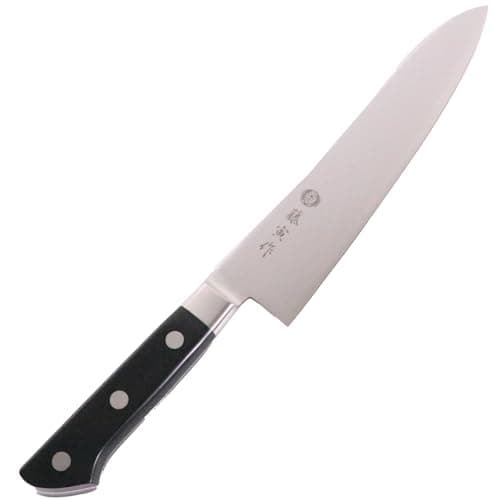
Tojiro DP Gyuto 210 mm
$94.11 · View on AmazonPrice as of October 20, 2026. #ad How we’re funded
Best Chef Knives
The best all-round chef's knives, Western and Japanese, ranked on steel and geometry rather than brand shine.
Our top pick
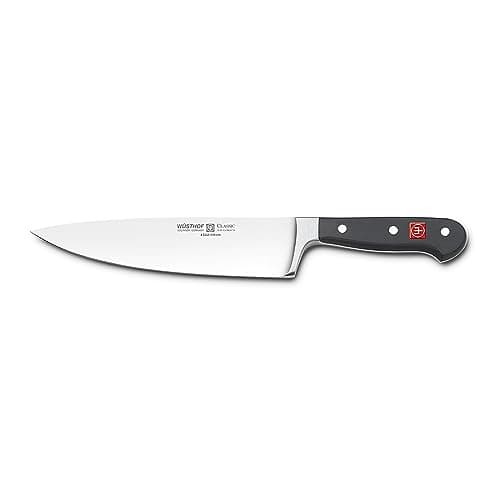
Wüsthof Classic 8-inch Chef's Knife
$170.00 · View on AmazonPrice as of October 20, 2026. #ad How we’re funded
Best Chef Knife Sets
Which sets are real forged knives and which are stamped block-filler — and why buying two good knives usually beats a 15-slot block.
Our top pick
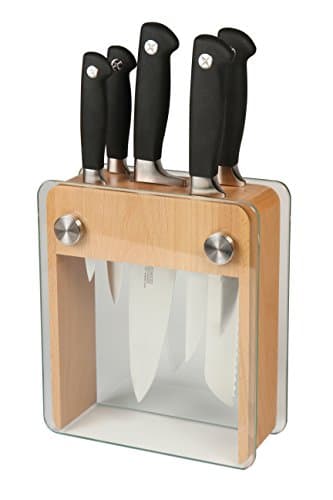
Mercer Culinary Genesis 6-Piece Forged Block Set
$199.99 · View on AmazonPrice as of October 20, 2026. #ad How we’re funded
Best Japanese Knife Sets
Six Japanese sets judged on one test — is every blade in the box one you would buy on its own? — with the published steel and hardness for each, and the gaps named.
Our top pick
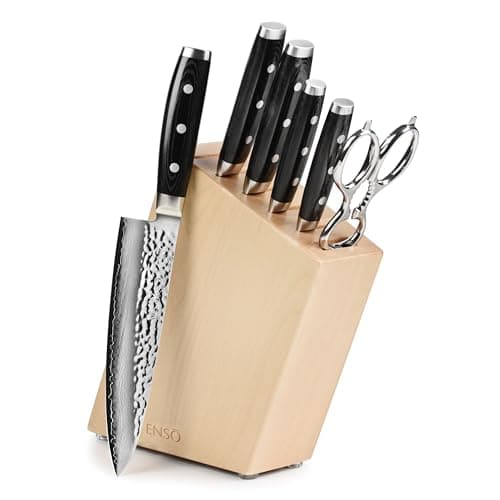
Enso HD 7-Piece Birch Block Set
Best Chef Knives for Beginners
Forgiving, easy-to-sharpen knives that won't punish a new cook's technique — with the one everyone should start on.
Our top pick
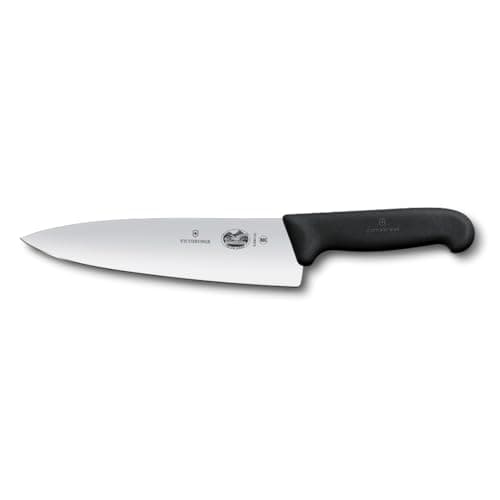
Victorinox Fibrox Pro 8-inch Chef's Knife
$45.23 · View on AmazonPrice as of October 20, 2026. #ad How we’re funded
Best Chef Knives Under $100
Real, name-brand chef's knives you can buy for under $100 — no gimmicks, just good steel and honest geometry.
Our top pick
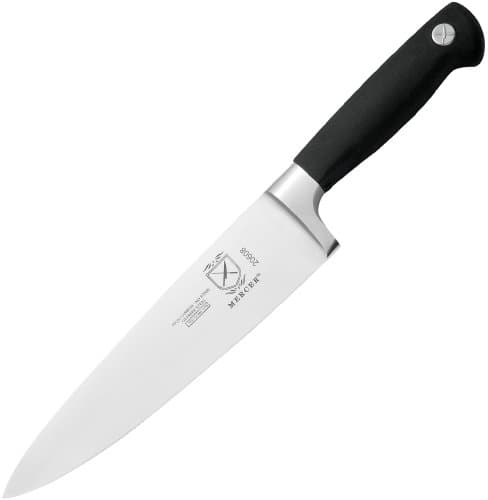
Mercer Culinary Genesis 8-inch Chef's Knife
$40.89 · View on AmazonPrice as of October 20, 2026. #ad How we’re funded
Best Chef Knives Under $200
The upgrade tier: where an extra hundred dollars buys harder steel and a thinner grind, and where it only buys a Damascus pattern.
Our top pick
Tojiro DP Gyuto 210 mm
$94.11 · View on AmazonPrice as of October 20, 2026. #ad How we’re funded
Best Santoku Knives
Six santokus from $40 to $180, compared on steel, hardness and grind — and an honest answer to whether you need one at all.
Our top pick
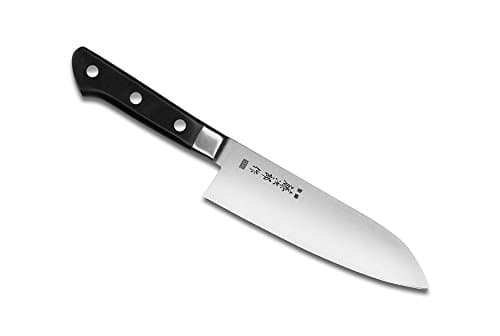
Tojiro DP Santoku 170 mm
$122.00 · View on AmazonPrice as of October 20, 2026. #ad How we’re funded
Best Chef Knives Under $50
The tier where good knives hide in plain sight — six blades under $50, two of them fully forged, all with a published steel grade.
Our top pick
Victorinox Fibrox Pro 8-inch Chef's Knife
$45.23 · View on AmazonPrice as of October 20, 2026. #ad How we’re funded
Best Nakiri Knives
Six vegetable knives from about $55 to $190, compared on steel and grind — plus a straight answer about the tip you give up.
Our top pick
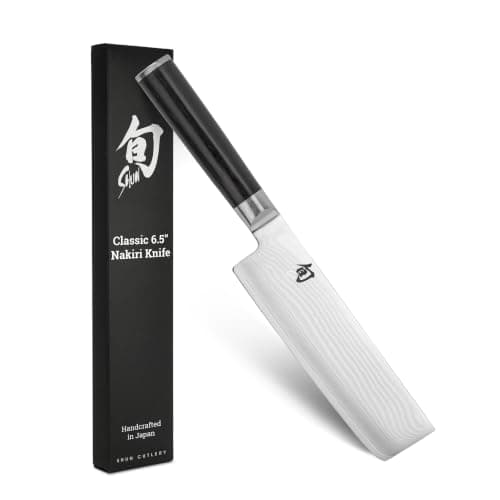
Shun Classic 6.5-inch Nakiri (DM0728)
$179.35 · View on AmazonPrice as of October 20, 2026. #ad How we’re funded
Best Petty & Utility Knives
The knife that fills the gap between a chef's knife and a parer. Five compared on steel, length and grind.
Our top pick
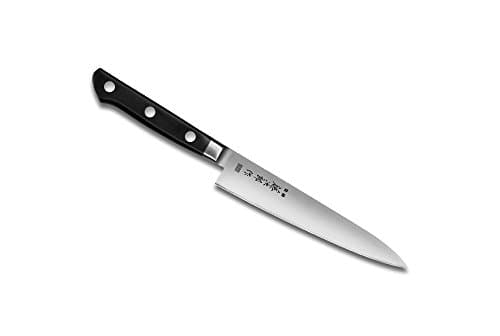
Tojiro DP Petty 150 mm (F-802)
$89.00 · View on AmazonPrice as of October 20, 2026. #ad How we’re funded
Best Kitchen Knife Gifts
Knives and stones that survive being given: nothing that needs a size guess, nothing that arrives needing a lesson before it can be used.
Our top pick
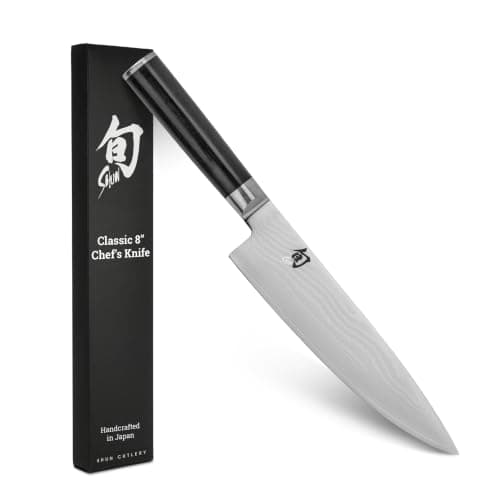
Shun Classic 8-inch Chef's Knife
$140.15 · View on AmazonPrice as of October 20, 2026. #ad How we’re funded
Best Chef Knives for Home Cooks
Not the sharpest knife — the one that survives a real home kitchen: forgiving steel, a rod instead of a stone, and a price you will not baby. Six ranked on the numbers.
Our top pick
Mercer Culinary Genesis 8-inch Chef's Knife
$40.89 · View on AmazonPrice as of October 20, 2026. #ad How we’re funded
Best Chef Knives for Small Hands
Shorter blades, lighter knives and slimmer handles — chosen on published length and weight rather than 'feels nimble'. Six picks from 150 to 170 mm.
Our top pick
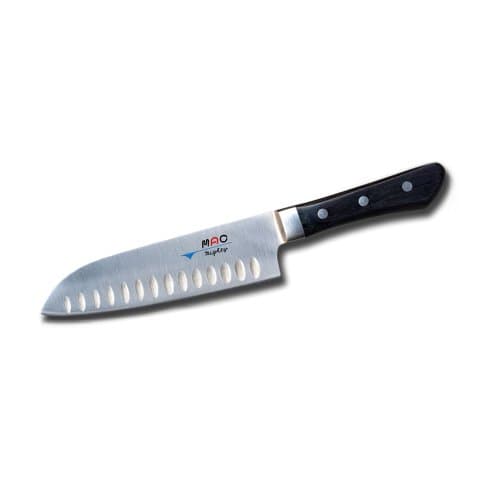
MAC Professional Series 6.5-inch Santoku (MSK-65)
$139.95 · View on AmazonPrice as of October 20, 2026. #ad How we’re funded
Best Knives for Cutting Meat
Raw, cooked and on the bone are three different jobs. Which shape does each — sujihiki, chef's knife, Chinese cleaver — and which of ours to buy for it.
Our top pick
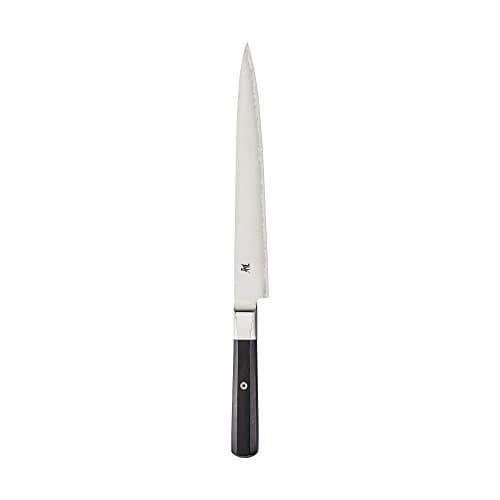
Miyabi Koh 4000FC Sujihiki 240 mm
$164.95 · View on AmazonPrice as of October 20, 2026. #ad How we’re funded
Best Forged Chef Knives & Sets
Forged means one billet, a bolster and — per Wüsthof's own figures — 58 HRC instead of 55-57. The forged knives and sets in our registry, ranked, with the Japanese caveat spelled out.
Our top pick
Wüsthof Classic 8-inch Chef's Knife
$170.00 · View on AmazonPrice as of October 20, 2026. #ad How we’re funded
Best Chef Knives for the Money
Value measured the only honest way: published steel and hardness per dollar. The knife in each shape where spending more buys nothing you can feel.
Our top pick
Victorinox Fibrox Pro 8-inch Chef's Knife
$45.23 · View on AmazonPrice as of October 20, 2026. #ad How we’re funded
Nakiri Knife Guide
The flat, tall vegetable knife: what the shape is actually for, why it has no tip, and whether it earns its space on your magnetic strip.
Petty Knife Guide
The small Japanese knife that solves the gap every cook notices: a gyuto is clumsy on a shallot, a parer can't slice a tomato.
Tojiro DP Gyuto Review
The default first-gyuto recommendation, examined: what the VG10 core and ~60 HRC actually buy you, and the three things it does badly.
Our top pick
Tojiro DP Gyuto 210 mm
$94.11 · View on AmazonPrice as of October 20, 2026. #ad How we’re funded
Shun Classic Kiritsuke Review
The DM0771 on Shun's own numbers: 213 g published, the heaviest full-length blade in the Classic line, a double bevel rather than a traditional single one, and the tip that chips.
Shun Classic 8-inch Review
The Damascus knife everyone recognizes. What the VG-MAX core is worth, who the D-handle excludes, and when to buy something plainer.
Our top pick
Shun Classic 8-inch Chef's Knife
$140.15 · View on AmazonPrice as of October 20, 2026. #ad How we’re funded
Shun Classic Nakiri Review
The nakiri most people end up buying, checked against Shun's own numbers — including the 215 g weight that makes it heavier than Shun's 8-inch chef's knife.
Our top pick
Shun Classic 6.5-inch Nakiri (DM0728)
$179.35 · View on AmazonPrice as of October 20, 2026. #ad How we’re funded
Victorinox Fibrox Pro 8-inch Review
The cheap knife that keeps beating expensive ones in tests. Why soft, stamped steel is a feature here — and where it genuinely falls short.
Our top pick
Victorinox Fibrox Pro 8-inch Chef's Knife
$45.23 · View on AmazonPrice as of October 20, 2026. #ad How we’re funded
Wüsthof Classic 8-inch Review
The forged German benchmark: full tang, bolster, ~58 HRC and about 250 g. Who that weight suits, and who should buy a gyuto instead.
Our top pick
Wüsthof Classic 8-inch Chef's Knife
$170.00 · View on AmazonPrice as of October 20, 2026. #ad How we’re funded
Mercer Genesis 8-inch Review
A fully forged knife for stamped-knife money. What culinary schools know about it, and the two places the low price shows.
Our top pick
Mercer Culinary Genesis 8-inch Chef's Knife
$40.89 · View on AmazonPrice as of October 20, 2026. #ad How we’re funded
Miyabi Kaizen II 8-inch Review
A German company's Japanese knife, made in Seki. What an FC61 core and a 10-degree factory edge buy — and what they ask of you.
Our top pick
Miyabi Kaizen II 8-inch Chef's Knife
$169.95 · View on AmazonPrice as of October 20, 2026. #ad How we’re funded
Miyabi Koh Sujihiki Review
The only 240 mm slicer whose maker publishes both the hardness and the edge angle — 61 HRC at 9.5-12°, and about 159 g of it.
Our top pick
Miyabi Koh 4000FC Sujihiki 240 mm
$164.95 · View on AmazonPrice as of October 20, 2026. #ad How we’re funded
MAC Professional Santoku Review
The knife that keeps beating better spec sheets. What MAC does differently, and the hardness figure it will not publish.
Our top pick
MAC Professional Series 6.5-inch Santoku (MSK-65)
$139.95 · View on AmazonPrice as of October 20, 2026. #ad How we’re funded
Chef Knife Types Explained
Gyuto, santoku, nakiri, petty and cleaver — what each shape is for, in one scannable reference.
Gyuto Knife Guide
What a gyuto is, who it's for, the steel families to know, and how it differs from a Western chef's knife.
Santoku Knife Guide
The 'three virtues' knife: a shorter, flatter blade built for push-cutting — and when to choose it over a gyuto.
Bunka Knife Guide
A santoku that grew a point. The flat Japanese profile with a reverse-tanto tip — and the most chip-prone corner in the drawer.
Sujihiki Knife Guide
The long, thin Japanese slicer. One job — a clean slice off a large piece of protein in a single pull — and nothing else does it as well.
Kiritsuke Knife Guide
Two completely different knives share this name. One is a single-bevel specialist; the other is a gyuto with an angled tip. Telling them apart is the whole guide.
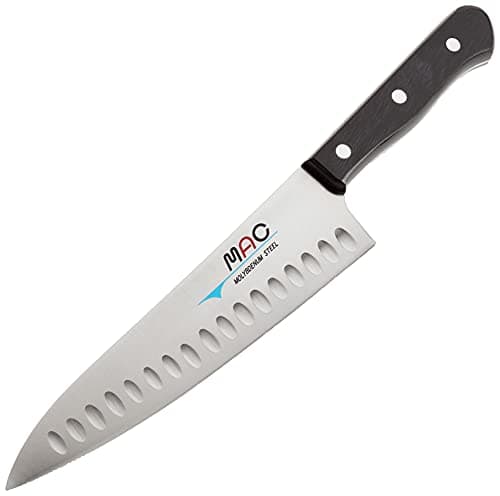
MAC Chef Series Hollow-Edge Review
Single steel, taper-ground, no bolster and no pattern — and a habit of beating knives with far better spec sheets.
Our top pick
MAC Chef Series Hollow-Edge 8-inch
$119.95 · View on AmazonPrice as of October 20, 2026. #ad How we’re funded
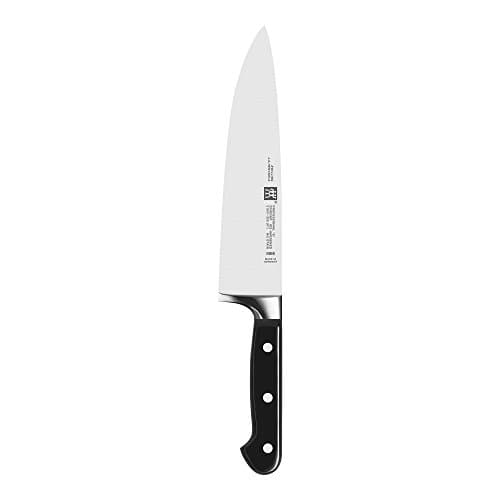
Zwilling Pro 8-inch Review
Solingen's answer to the one real complaint about forged knives: a bolster that curves away from the heel, so the whole edge reaches the stone.
Our top pick
Zwilling Professional S 8-inch Chef's Knife
Tojiro DP Santoku Review
The same VG10 core and ~60 HRC that made the DP gyuto everyone's first Japanese knife, in the shorter flat-profile shape.
Our top pick
Tojiro DP Santoku 170 mm
$122.00 · View on AmazonPrice as of October 20, 2026. #ad How we’re funded
Mercer Genesis 6-Piece Set Review
Five forged, full-tang German blades and a beech-and-glass block. What Mercer publishes, the one number it doesn't, and whether a block beats two knives.
Our top pick
Mercer Culinary Genesis 6-Piece Forged Block Set
$199.99 · View on AmazonPrice as of October 20, 2026. #ad How we’re funded
Tojiro DP Petty Review
The DP gyuto's steel in a 150 mm blade. What Tojiro publishes about the F-802, the one number it leaves off, and the two listings that disagree about the weight.
Our top pick
Tojiro DP Petty 150 mm (F-802)
$89.00 · View on AmazonPrice as of October 20, 2026. #ad How we’re funded
Best Chef Knives for Professional Chefs
Working kitchens buy on sanitation certification, wet grip, re-sharpening speed and replacement cost — not edge retention. Five picks, and why the list looks cheap.
Our top pick
Victorinox Fibrox Pro 8-inch Chef's Knife
$45.23 · View on AmazonPrice as of October 20, 2026. #ad How we’re funded
Best Chef Knives on Amazon
Five knives worth buying there, ranked on published steel and hardness — plus the four checks that decide whether a marketplace listing costs you your warranty.
Our top pick
Tojiro DP Gyuto 210 mm
$94.11 · View on AmazonPrice as of October 20, 2026. #ad How we’re funded
Best Kitchen Knives for Arthritis and a Weak Grip
When grip strength is the constraint, force per cut is the spec that matters — and keeping the edge is the other half of the problem. Four picks, including the measurement no maker publishes.
Our top pick
Victorinox Fibrox Pro 8-inch Chef's Knife
$45.23 · View on AmazonPrice as of October 20, 2026. #ad How we’re funded
Enso HD 7-Piece Block Set Review
The only Japanese set we cover that publishes its hardness, its layer count and its edge angle for the set itself: 61 HRC, 37 hammered layers, hand-ground to about 12 degrees.
Our top pick
Enso HD 7-Piece Birch Block Set
Best Shun Knives
One steel, one 16-degree edge and one handle across the whole Classic line - so the choice is shape and published weight. Six Classic models, and the dealer condition on Shun's two biggest promises.
Our top pick
Shun Classic 8-inch Chef's Knife
$140.15 · View on AmazonPrice as of October 20, 2026. #ad How we’re funded
Best Tojiro Knives
One steel and one construction across every shape, so the only real choice is shape and length. The four DP knives worth owning, and the hardness figure Tojiro does not publish.
Our top pick
Tojiro DP Gyuto 210 mm
$94.11 · View on AmazonPrice as of October 20, 2026. #ad How we’re funded
Best Sujihiki Knives
Long, thin and flat — the Japanese slicer that takes one clean cut off a roast. Three at 240 mm, ranked on the hardness and edge angle each maker actually publishes.
Our top pick
Miyabi Koh 4000FC Sujihiki 240 mm
$164.95 · View on AmazonPrice as of October 20, 2026. #ad How we’re funded
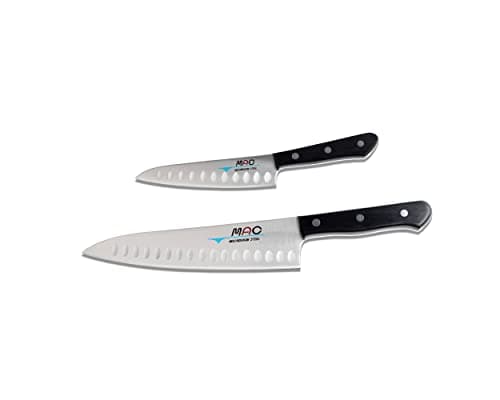
Best Knife Sets Under $200
Two good knives or fifteen filled slots: this is the budget where that choice is forced. Four sets compared on blade count, construction and published steel.
Our top pick
MAC Chef Series 2-Piece Starter Set (TH-201)
$189.95 · View on AmazonPrice as of October 20, 2026. #ad How we’re funded
Best Knives for Cutting Vegetables
Dense produce is split apart by thickness, not dullness — which is why the best vegetable knife is usually not a chef’s knife. Five picks across three shapes.
Our top pick
Shun Classic 6.5-inch Nakiri (DM0728)
$179.35 · View on AmazonPrice as of October 20, 2026. #ad How we’re funded
Best Wüsthof Knives
One steel, one published 58 Rockwell and one 14-degree grind across the forged Classic line — so the only real question is which shape. Six pieces compared.
Our top pick
Wüsthof Classic 8-inch Chef's Knife
$170.00 · View on AmazonPrice as of October 20, 2026. #ad How we’re funded
Best Knives for Culinary School
Grip when wet, re-sharpening speed and replacement cost — not hardness. Five picks, plus the warranty clause that voids itself the day you take the knife to class.
Our top pick
Mercer Culinary Genesis 8-inch Chef's Knife
$40.89 · View on AmazonPrice as of October 20, 2026. #ad How we’re funded
How to Use a Nakiri Knife
Push cut, never rock: the flat edge is the whole point. The grip, the motion, the four jobs it beats a chef's knife at, and the ones it cannot do at all.
Our top pick
Shun Classic 6.5-inch Nakiri (DM0728)
$179.35 · View on AmazonPrice as of October 20, 2026. #ad How we’re funded
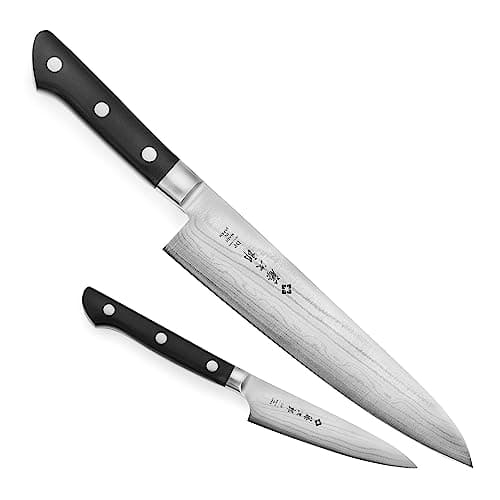
Tojiro Classic Damascus 2-Piece Set Review
An 8.25-inch chef's knife and a 4-inch paring knife on a VG-10 core under 37 forged layers — reviewed while Tojiro's own site publishes nothing at all.
Our top pick
Tojiro Classic Damascus 2-Piece Set (F-600-2)
$279.00 · View on AmazonPrice as of October 20, 2026. #ad How we’re funded