Whetstones & Sharpening
Whetstones, grit progressions and technique — the reproducible way to put a scary-sharp edge on any knife, plus the stones worth buying.
Here is the truth most knife content buries: the sharpest knife in any kitchen is the one whose owner learned to sharpen. A $45 knife kept keen on a $25 stone out-cuts a $250 knife left to go dull — every time. Learning to sharpen on a whetstone is the single highest-value skill a cook can pick up, and it’s far easier than the mystique suggests. This hub is the complete, reproducible version: which stones to buy, what the grit numbers mean, the angle to hold, and the exact step-by-step.
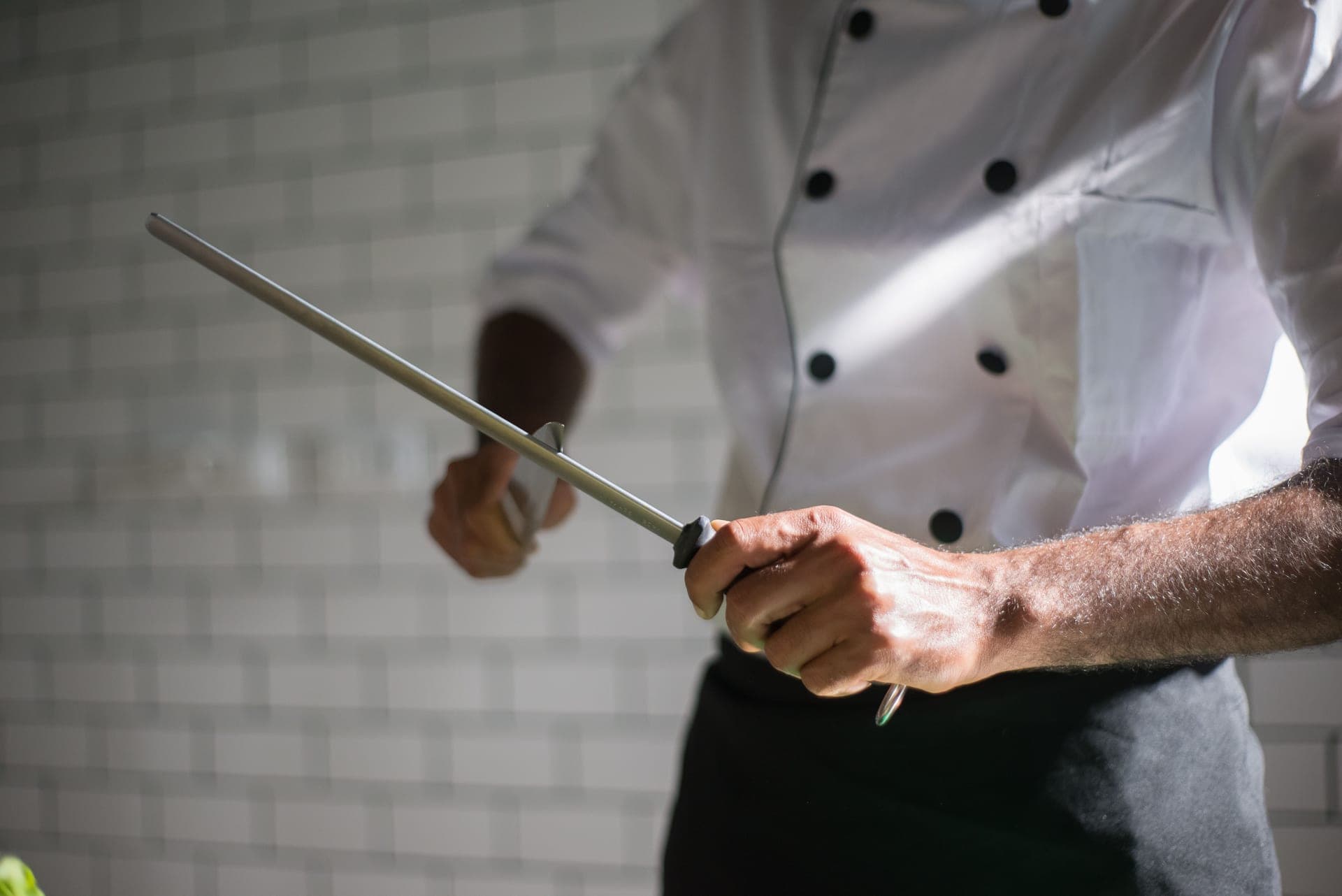
Start with the vocabulary, because two words get used interchangeably and shouldn’t. Honingrealigns an edge that has rolled over microscopically during use — it’s the quick pass on a steel rod before cooking, and it removes almost no metal. Sharpeningremoves metal to grind a fresh edge, which is what a whetstone does. A honing rod keeps a sharp knife feeling sharp for a while; it cannot fix a genuinely dull one. Confusing the two is why people “sharpen” daily on a steel and wonder why their knife never gets sharp. Our sharpening vs honing explainer settles it in one table.
The three things that decide a sharpening result are the grit(coarse to reset a damaged edge, fine to refine it), the angle(roughly 15° per side for Japanese knives, 20° for Western), and consistency (holding that angle for every stroke). Get those right and any stone works; get them wrong and the best stone in the world grinds a rounded, dull edge. Our grit guide and step-by-step how-to cover both, and the angle numbers come from the same published references our spec tables cite.
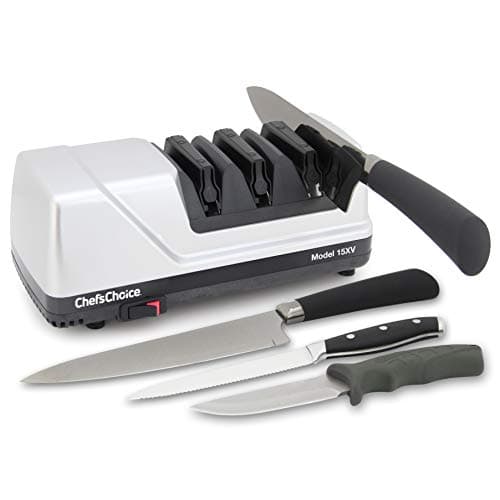
For gear, you need less than you think. One 1000/6000 combination stone sharpens and refines almost any kitchen knife; a cheap flattening stone keeps it true. Our best whetstones and best beginner stones roundups pick the ones worth buying and show a live price on each — and they explain the one trap to avoid: pull-through and cheap electric sharpeners, which grind a coarse fixed angle and quietly eat your blade. Skip those, learn the stone, and every knife you own gets better. One detail the packaging often leaves out is whether your stone needs submerging at all — soaking a whetstone explains the two families of water stone, how to spot which one you own, and why leaving the wrong one in water damages it.
If freehand on a stone genuinely has not worked for you, that is a solved problem rather than a failure: a guided sharpening system clamps the blade and fixes the angle mechanically. And for the day-to-day, the honing rod comparison covers the rule that decides which rod your knives can safely take — grooved steel for soft Western edges, fine ceramic for hard Japanese ones. When a session on the stone does not produce an edge, work through why your knife won’t get sharp — it is nearly always a burr you never raised, or a stone that needs flattening.
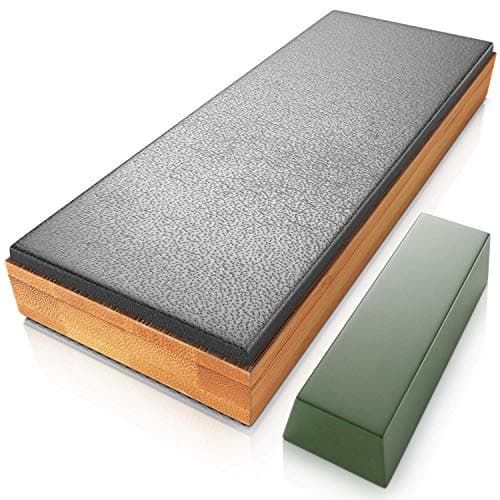
Water stones are not the only abrasive worth owning. A diamond plate cuts hard steel faster, never dishes, and is the tool that flattens the stones that do — it is also the right abrasive for the harder steels in a folder, which is why sharpening a pocket knife is its own job with its own wider angle rather than a kitchen session on a shorter blade. At the other end of the session, a leather strop is the cheapest upgrade here and the step most people skip — the stropping walkthrough takes under a minute to read. If you have decided you will never learn a stone, we would rather tell you which electric sharpener treats a knife least badly than pretend the choice is not being made. And before any of that, two habits do most of the work: honing properly and knowing how often to sharpen in the first place.
A stone is also the best gift in this category, and the one almost nobody buys for themselves: the under-$50 gift guide explains which to give and why, and the Black Friday & Cyber Monday page covers which sharpening tools historically discount in November (guided and electric sharpeners) and which do not (Japanese stones).
Everything in Sharpening
Best Whetstones for Kitchen Knives
Six sharpening stones compared on grit, material and how they prep — from the classic learner's stone to splash-and-go ceramics.
Our top pick
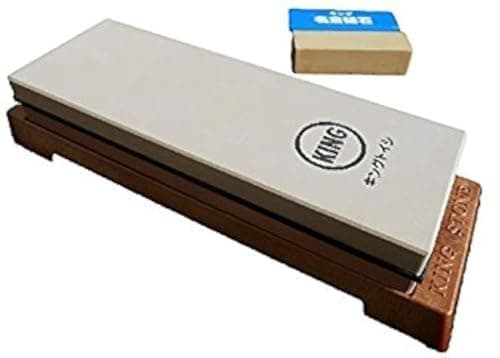
King (Matsunaga) KW-65 1000/6000 Combination Whetstone
Best Whetstones for Beginners
The forgiving, well-supported stones and kits to learn on — including which angle guides help and which to retire.
Our top pick
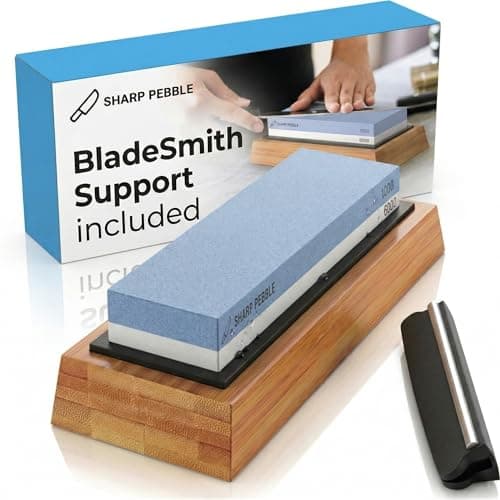
Sharp Pebble Premium 1000/6000 Whetstone Kit
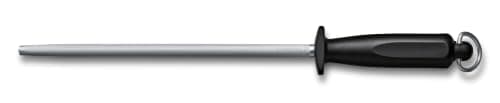
Best Honing Steels & Rods
Six rods compared — steel, ceramic and combination — plus the rule that decides which one your knives can safely take.
Our top pick
Wüsthof 9-inch Honing Steel
$35.00 · View on AmazonPrice as of October 20, 2026. #ad How we’re funded
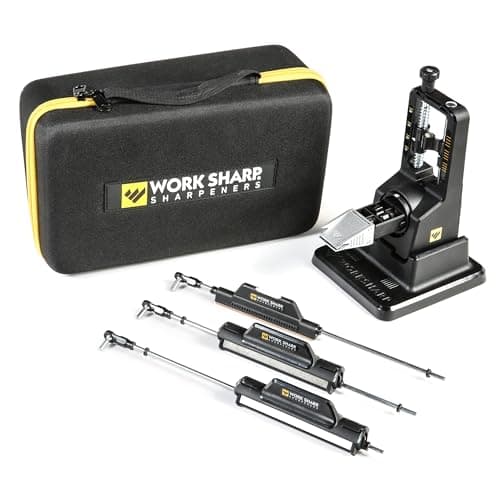
Best Knife Sharpening Systems
Guided clamps, electrics and pull-throughs ranked honestly — including which ones remove far more steel than your knife can spare.
Our top pick
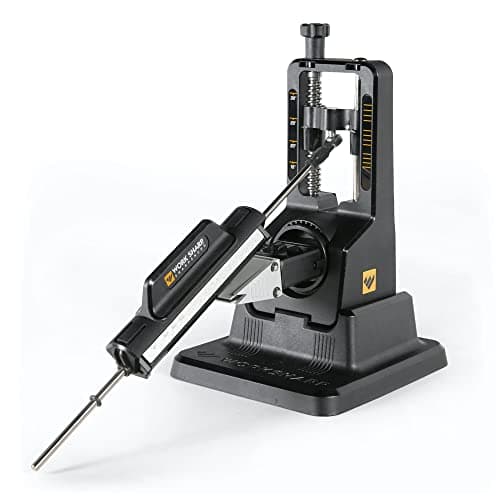
Work Sharp Precision Adjust Knife Sharpener
$69.95 · View on AmazonPrice as of October 20, 2026. #ad How we’re funded
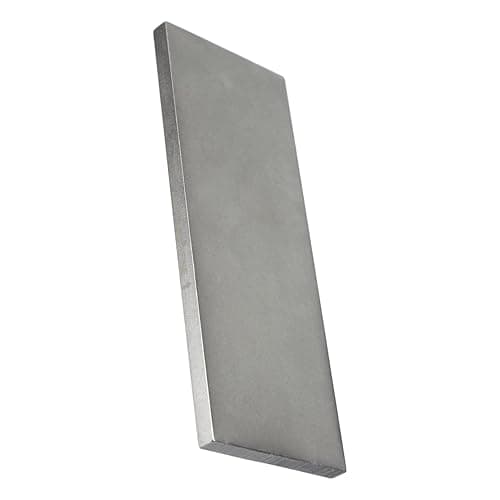
Best Diamond Sharpening Stones
Plates that cut hard steel fast and never need flattening. Six compared on grit, surface type and what comes in the box.
Our top pick
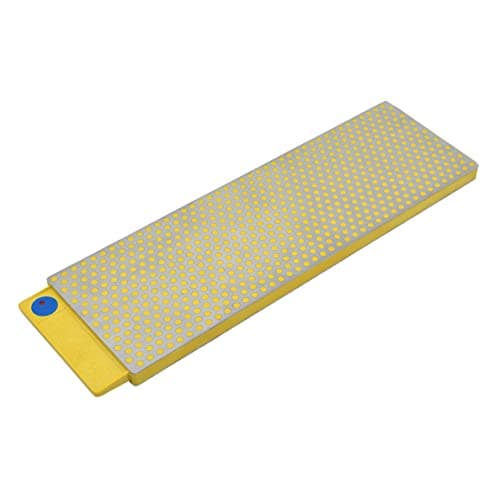
DMT DuoSharp 8-inch Bench Stone, Fine/Coarse (W8FCNB)
$107.99 · View on AmazonPrice as of October 20, 2026. #ad How we’re funded
Best Electric Knife Sharpeners
Fast, consistent and hungrier for steel than any other method. Five machines compared — including which knives to keep away from them.
Our top pick
Chef'sChoice 15XV EdgeSelect Electric Sharpener
$165.99 · View on AmazonPrice as of October 20, 2026. #ad How we’re funded
Best Strops for Kitchen Knives
The cheapest upgrade in sharpening, and the one most people skip. Five compared on working length, backing and compound.
Our top pick
Sharp Pebble Leather Strop for Knife Sharpening
Best Sharpeners for Japanese Knives
A 60 HRC blade ground to 15-16° needs a sharpener that can hold that angle and cut that steel. The stones, guided systems and the two electrics that can — and the tools to keep off it.
Our top pick
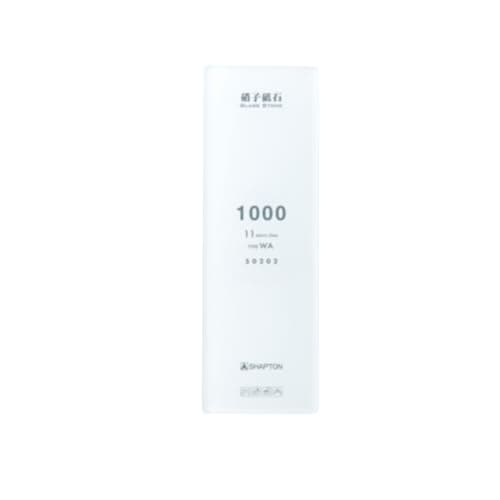
Shapton GlassStone 1000
$56.70 · View on AmazonPrice as of October 20, 2026. #ad How we’re funded
Sharp Pebble Leather Strop Review
The strop we pair with a first whetstone, checked against what Sharp Pebble actually publishes — including the one number it does not: the compound's grit.
Our top pick
Sharp Pebble Leather Strop for Knife Sharpening
DMT DuoSharp 8-Inch Review (W8FCNB)
The diamond plate to buy if you buy one, argued from DMT's own micron figures, its FAQ and its replace-regardless-of-age guarantee — plus what the NB in the model number costs you.
Our top pick
DMT DuoSharp 8-inch Bench Stone, Fine/Coarse (W8FCNB)
$107.99 · View on AmazonPrice as of October 20, 2026. #ad How we’re funded
King KW-65 Whetstone Review
The 1000/6000 combination stone that has taught more people to sharpen than anything else. What it does well, and why it dishes fast.
Our top pick
King (Matsunaga) KW-65 1000/6000 Combination Whetstone
Shapton GlassStone 1000 Review
A thin ceramic layer on a glass plate: splash-and-go, dead flat, fast on hard steel — and priced like it knows it.
Our top pick
Shapton GlassStone 1000
$56.70 · View on AmazonPrice as of October 20, 2026. #ad How we’re funded
Work Sharp Precision Adjust Review
The guided clamp that removes the one variable beginners cannot control. What the dial solves, and the three places it gets in the way.
Our top pick
Work Sharp Precision Adjust Knife Sharpener
$69.95 · View on AmazonPrice as of October 20, 2026. #ad How we’re funded
How to Hone a Knife
Ten seconds before you cook, and most of what feels like a dull knife disappears. The safe vertical method, step by step.
How to Strop a Knife
Sixty seconds on leather is the difference between sharp and unpleasantly sharp — provided you go spine-first.
How Often to Sharpen a Knife
Two or three times a year, if you hone weekly. The schedule by steel and kitchen, and three tests that beat any calendar.
How to Sharpen a Pocket Knife
Harder steel, a wider bevel and a blade too short for a kitchen stroke. What changes when the knife lives in your pocket instead of a block.
Soaking a Whetstone
Some stones must be submerged, some are ruined by it, and the packaging rarely says which. How to tell, and how long is long enough.
Knife Sharpening Angle Guide
What angle to sharpen at, why 15° and 20° are the two numbers that matter, and three ways to hold one without a jig.
The Easiest Knives to Sharpen
Softer steel, a simple double bevel and no bolster in the way. The traits that make a knife forgiving on a stone, and the knives that have them.
Why Your Knife Won't Get Sharp
Six reasons a knife stays dull after a session on the stone, in the order they're worth checking — starting with the burr you never raised.
How to Flatten a Whetstone
A dished stone sharpens a curve into your edge. How to tell when yours is hollow, and the three ways to get it flat again.
How to Sharpen a Knife on a Whetstone
The full workflow — soak, angle, grit progression, deburr, strop — as a numbered, repeatable process.
Sharpening vs Honing
They are not the same thing. What each one does, how often to do it, and which tool you actually need.
Whetstone Grit Guide
What the numbers mean, which grits a kitchen knife actually needs, and the progression that gets there fastest.
Best Combination Whetstones
Two grits in one block: the coarse face sharpens, the fine face refines. Five compared on grit pairing, prep, wear and what's in the box.
Our top pick
King (Matsunaga) KW-65 1000/6000 Combination Whetstone
Sharp Pebble 1000/6000 Review
The kit that turns 'I should learn to sharpen' into one purchase — including the one item you should stop using fairly quickly.
Our top pick
Sharp Pebble Premium 1000/6000 Whetstone Kit
Whetstone Brands Explained
King, Shapton, Naniwa, Suehiro, DMT, Atoma and the marketplace kits — what each actually makes, and why the badge matters least.
How to Sharpen a Serrated Knife
Not on a whetstone, not in a pull-through, and not on both sides. One scallop at a time, from one face only, with a rod that fits.
How to Fix a Chipped Knife
There is no putting the steel back. The repair is lowering everything else to meet it — and the skill is keeping the profile while you do.
How to Sharpen a Single-Bevel Knife
One face does almost all the work and the other must stay flat. Get it backwards and you don't just blunt the knife — you shorten its life.
How to Test Knife Sharpness
Five tests that detect different failures. In the right order they find not just whether a knife is sharp, but which part of your sharpening went wrong.
Chef'sChoice Trizor XV 15XV Review
The electric sharpener that converts a 20° Western edge to 15° in about a minute. What that conversion costs in steel, and the knives to keep out of it.
Our top pick
Chef'sChoice 15XV EdgeSelect Electric Sharpener
$165.99 · View on AmazonPrice as of October 20, 2026. #ad How we’re funded
Messermeister Ceramic Rod Review
No longer available: the CR-12F's listing is dead and Messermeister's own store takes notify-me signups only. The review stands, with the ceramic rod we point Japanese-knife owners at now.
SHARPAL 111H Ceramic Rod Review
The ceramic rod for hard Japanese steel, on the numbers SHARPAL publishes - a 14-25 degree adjustable guide and a full spec table - and the one figure it leaves out.
Our top pick
SHARPAL 111H RODALL Ceramic Sharpening Rod, Angle Adjustable
$39.99 · View on AmazonPrice as of October 20, 2026. #ad How we’re funded
Wüsthof 9-Inch Honing Steel Review
The default rod in half the kitchens in America. What Wüsthof actually publishes about it, the sizing rule most buyers miss, and the knives it should never touch.
Our top pick
Wüsthof 9-inch Honing Steel
$35.00 · View on AmazonPrice as of October 20, 2026. #ad How we’re funded
Is Professional Sharpening Worth It?
Published rate cards rather than guesses: what a service charges, what it does better than you can, and when a stone pays for itself.
Can You Sharpen a Ceramic Knife?
A zirconia blade scores 8.5 on the Mohs scale against 7.5-8 for hardened steel, so only diamond will cut it. The method, and why most electric sharpeners refuse the job.
Our top pick
DMT D8F Dia-Sharp 8-inch Bench Stone, Fine
$65.29 · View on AmazonPrice as of October 20, 2026. #ad How we’re funded
How to Tell the Grit of a Sharpening Stone
Six tests for an unmarked or inherited stone — marker, feel, water, scratch pattern, slurry and flatness — and an honest warning about which answers you can trust.
Sharpening a Damascus Knife
The pattern is on the cladding, the edge is on the core — so sharpening never touches it. What grit to use on a 60-62 HRC clad blade, and the one mistake that does wreck the finish.
Our top pick
Shapton GlassStone 1000
$56.70 · View on AmazonPrice as of October 20, 2026. #ad How we’re funded
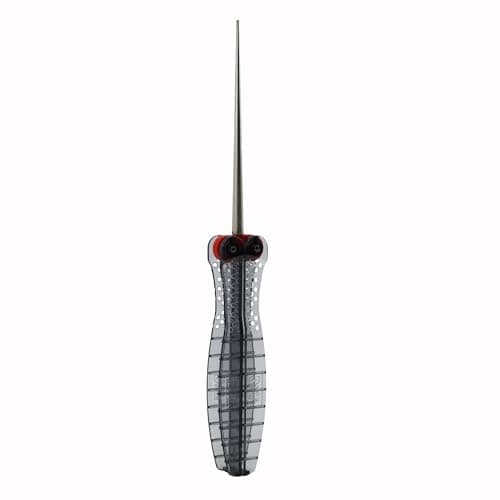
Best Serrated Knife Sharpeners
A serrated edge is sharpened one scallop at a time, from one side only — which rules out almost every sharpener sold. Four picks ranked on published grit and taper.
Our top pick
DMT Diafold Serrated Knife Sharpener, Fine (FSKF)
$31.59 · View on AmazonPrice as of October 20, 2026. #ad How we’re funded
DMT Dia-Sharp D8F Review
One grit, one unbroken diamond face, and a flatness guarantee no water stone can make — plus the 20-degree advice on DMT's own site we tell Japanese-knife owners to ignore.
Our top pick
DMT D8F Dia-Sharp 8-inch Bench Stone, Fine
$65.29 · View on AmazonPrice as of October 20, 2026. #ad How we’re funded
DMT Diafold Serrated Review
A 4.43-inch cone of fine diamond tapering from 1/4 inch to 1/16, so one rod fits every gullet in a kitchen — plus the instruction on DMT’s own site that does not apply here.
Our top pick
DMT Diafold Serrated Knife Sharpener, Fine (FSKF)
$31.59 · View on AmazonPrice as of October 20, 2026. #ad How we’re funded
Work Sharp Precision Adjust Elite Review
Five diamond grits from 220 to 800, a metal V-block clamp and 15 to 30 degrees of continuous adjustment — and an honest answer on who should buy the cheaper kit instead.
Our top pick
Work Sharp Precision Adjust Elite Knife Sharpener
$129.95 · View on AmazonPrice as of October 20, 2026. #ad How we’re funded
Is a 1000 Grit Whetstone Enough?
For an undamaged kitchen knife, yes — 1000 grit is the stone that does the actual sharpening. The two cases where it is not enough, and what to add first.
Our top pick
Shapton GlassStone 1000
$56.70 · View on AmazonPrice as of October 20, 2026. #ad How we’re funded
Do Japanese Knives Need Honing?
A 60 HRC edge barely rolls, so daily steeling is mostly wasted — and the ribbed rod in the block is the wrong tool. What Shun, Wusthof and Yoshihiro each say.
Our top pick
SHARPAL 111H RODALL Ceramic Sharpening Rod, Angle Adjustable
$39.99 · View on AmazonPrice as of October 20, 2026. #ad How we’re funded
Why Knives Get Dull So Fast
Nine times out of ten the steel is innocent: the edge is rolled, the burr was never removed, or the board is doing the damage. Six causes, each with the fix.
Our top pick
Victorinox Classic Honing Steel 25 cm / 10-inch (7.8303)
$24.95 · View on AmazonPrice as of October 20, 2026. #ad How we’re funded
How to Sharpen a Knife Without a Whetstone
An abrasive, one constant angle, and the burr stripped off. Which no-stone options deliver all three — and which kitchen tricks just round the bevel over.
Our top pick
Work Sharp Precision Adjust Knife Sharpener
$69.95 · View on AmazonPrice as of October 20, 2026. #ad How we’re funded
How Long Does a Whetstone Last?
Measured in millimetres of abrasive, not years — and it is the flattening that eats it, not your knives. Published thicknesses, the four ways a stone dies, five habits that double it.
Our top pick
Atoma Diamond Sharpener #140 (Coarse)
$74.90 · View on AmazonPrice as of October 20, 2026. #ad How we’re funded